
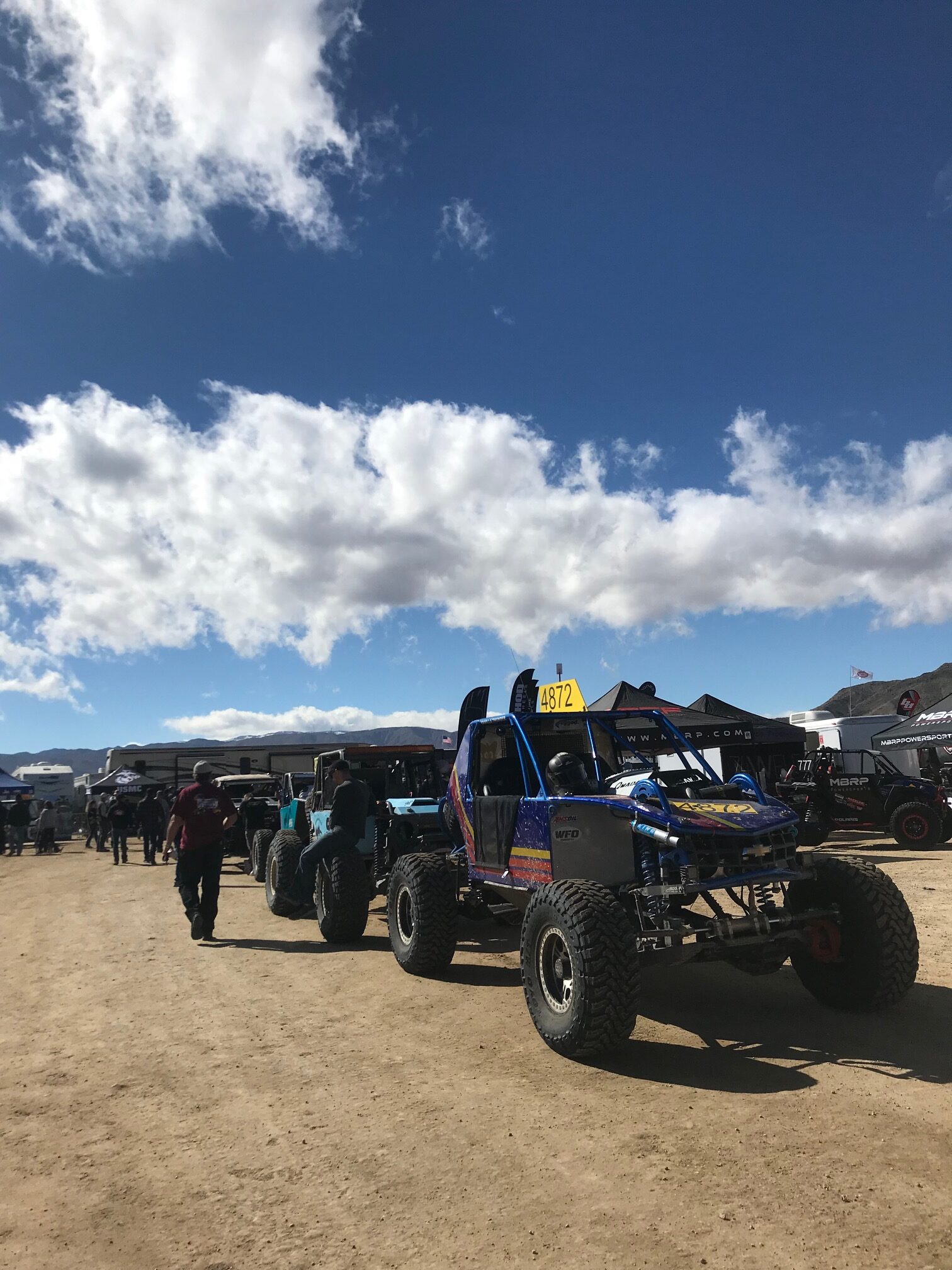
Ultra4 racing is one of the most demanding forms of off-road competition in the world. Vehicles run over 100 mph across open desert, then crawl nearly vertical rock faces minutes later. A machine that can do both is one of the most demanding builds in motorsports. The fabrication work behind an Ultra4 cage reflects that.
This article covers what Ultra4 racing is, what the cage and chassis requirements look like, and why the fabrication work on these builds matters.
What is Ultra4 racing?
Ultra4 is a sanctioned off-road racing series built around the King of the Hammers race, held annually in Johnson Valley, California. Dave Cole founded the series. The first King of the Hammers ran in 2008. Since then, it has grown into one of the largest off-road events in the country, drawing around 80,000 spectators and roughly 1,000 competitors in recent years.
The signature event is the 4400 Unlimited Class, a 165-mile course combining high-speed desert running with technical rock crawling. Competitors have 14 hours to finish. There are no pit crews on course. When something breaks, the driver fixes it alone or limps back to the pits. The event runs its own vendor area called Hammertown. Hammertown stocks parts on-site and sources next-day delivery for anything not immediately available. That infrastructure exists because breakage happens, not because it is rare.
Ultra4 now runs six races across the USA each season, plus a European series. Past competitors and all previous Kings return each year, giving the series a strong community character alongside the competition.
What makes these vehicles extreme
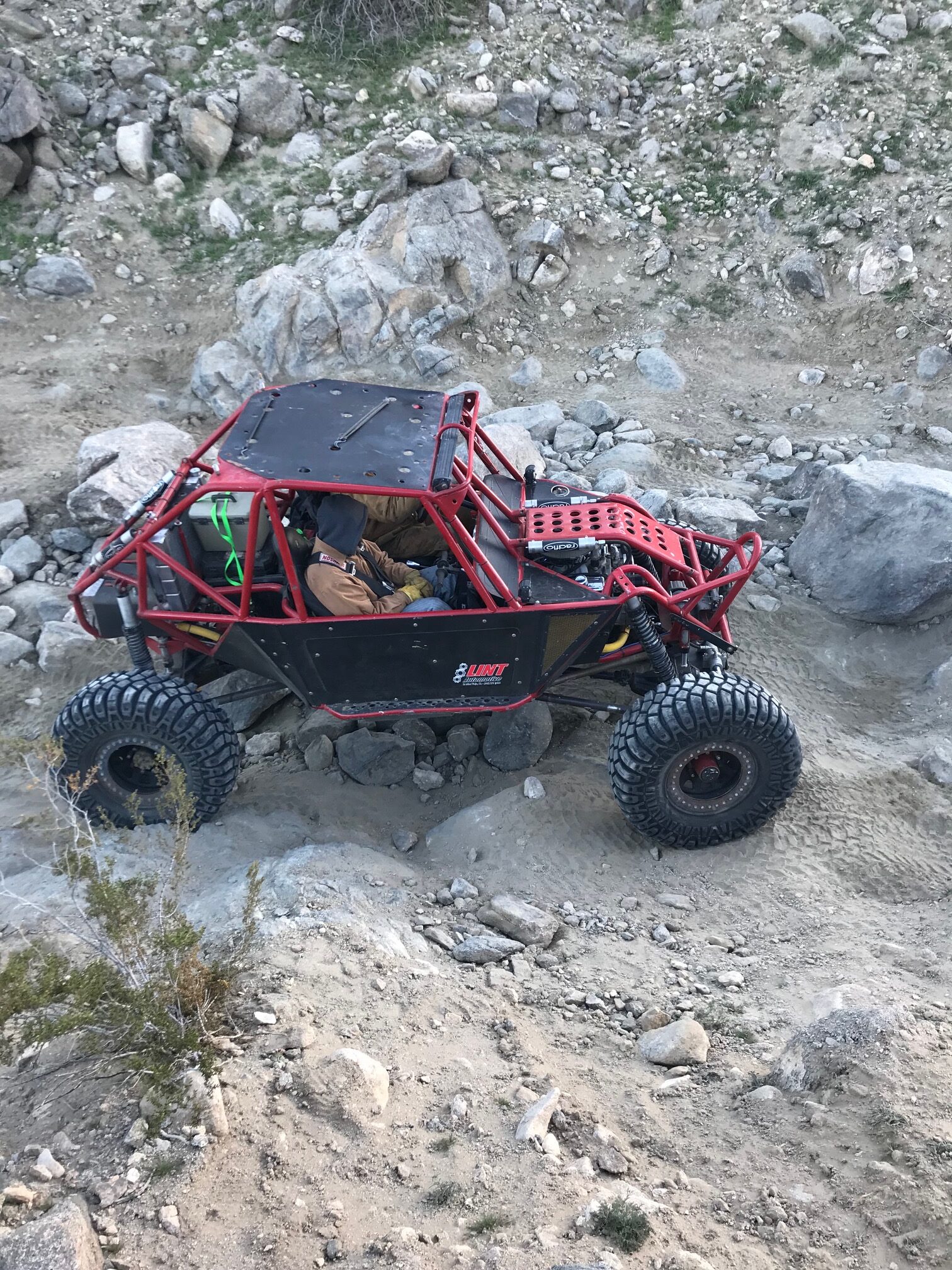
The 4400 Unlimited Class has almost no restrictions on vehicle configuration. Builds run engines up to 800 horsepower. Suspension travel runs in feet, not inches. The same vehicle that runs wide open across dry lake beds also has to articulate over boulders that stop stock trucks cold.
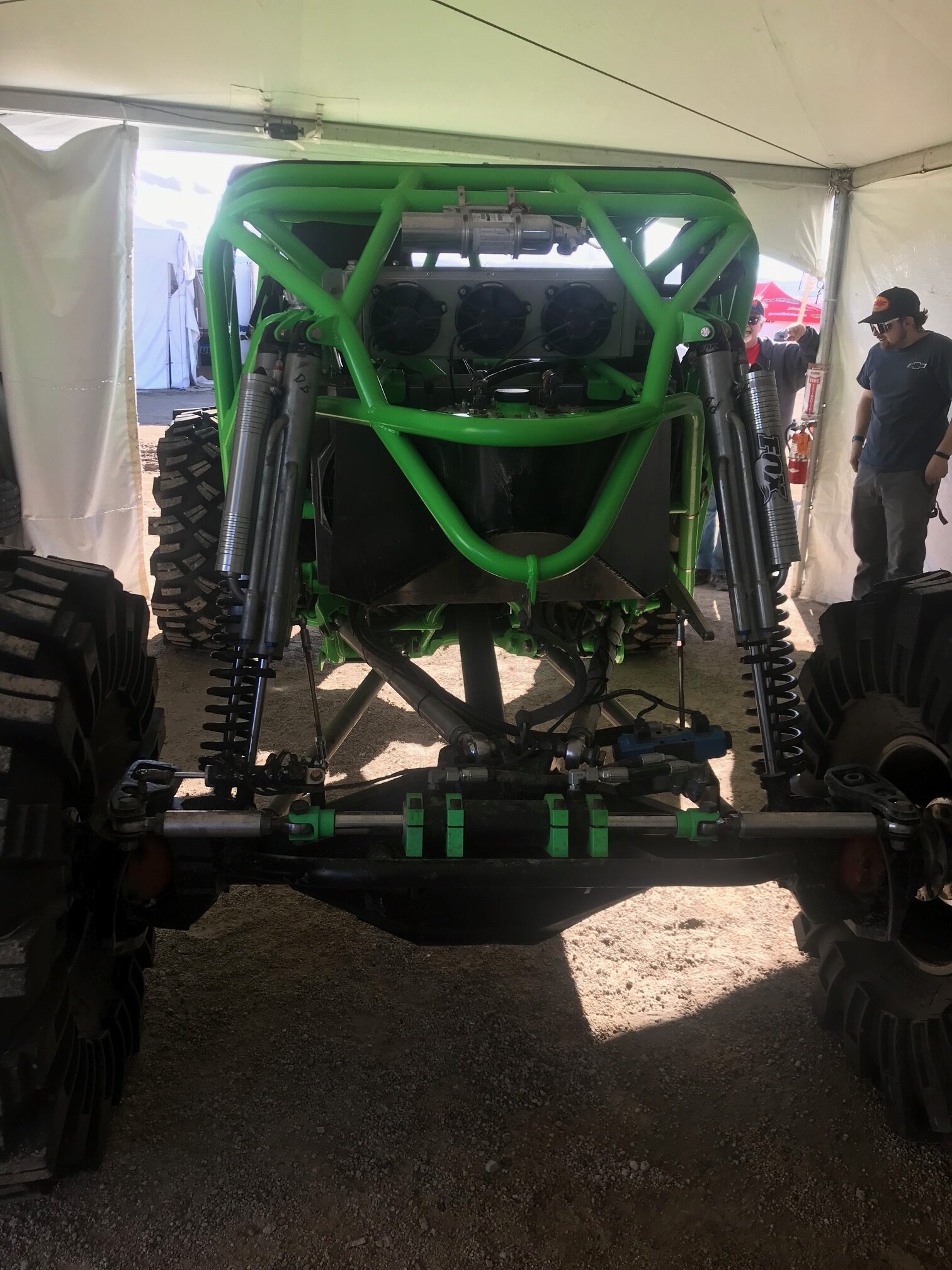
There is ongoing debate within the Ultra4 community about independent front suspension versus solid axle. IFS offers better high-speed compliance and more predictable handling on desert terrain. A solid axle is more durable over rocks and simpler to fix in the field. Matching IFS at speed requires significant modification. Most competitive builds have landed on IFS for the speed sections, though solid axle builds continue to be competitive at the highest levels.
Cage and chassis requirements
Material specifications
Ultra4 cage requirements reflect the severity of the racing. Depending on vehicle weight, main structure tubing runs 1.5″ to 2.0″ OD DOM with .120″ wall thickness. The rulebook allows CREW, DOM, WHR, or WCR mild carbon steel, as well as 4130 chromoly alloy steel. All welds must show full penetration with no undercutting of the parent material.
Section 2.6.4 of the 2021 Ultra4 Rulebook states: “Roll cage main structure material may be CREW, DOM, WHR, or WCR mild carbon steel or 4130 chromoly alloy steel. All welds must be of high quality and craftsmanship with good penetration and with no undercutting of parent material.” Verify this against the current rulebook before building to competition spec, as rules are updated annually. The full specifications are available at kingofthehammers.com.
Why the cage matters more here than almost anywhere else
In most motorsports, a rollover is a rare event. In Ultra4, rock sections routinely put vehicles on their sides or roofs. A cage that is structurally marginal anywhere else becomes a life-safety issue in this class. The tube work has to be right: proper node geometry, tight notch fits, full-penetration welds, and material that meets the specification.
Shortcuts in cage fabrication that might go unnoticed on a trail rig will get tested in Ultra4. The cage is not a styling element. It is the primary occupant protection structure, and it has to perform as designed when it matters.
The tube bending and notching work
Building an Ultra4 cage means working with 1.5″ to 2.0″ DOM at .120″ wall. At that diameter and wall thickness, you need a bender that can handle the material without backing off on hydraulic force mid-bend. The M625 handles 2.0″ x .250″ wall DOM under warranty daily, so 2.0″ x .120″ presents no challenge. Extra frame mass compared to lighter benders matters when running production volume on heavy wall tube.
Notching at this diameter requires a tool that holds the tube securely and keeps the hole saw on axis. The VersaNotcher handles up to 2-3/8″ OD tube, covers 225 degrees of angle adjustment, and uses an ACME thread vise with rebuildable bronze bushings. A notcher that drifts or flexes under load produces gaps at every node. Those gaps get filled with weld instead of fit, which is not how structural cage nodes should be built. That is not how structural cage nodes should be built.
King of the Hammers as a spectator event
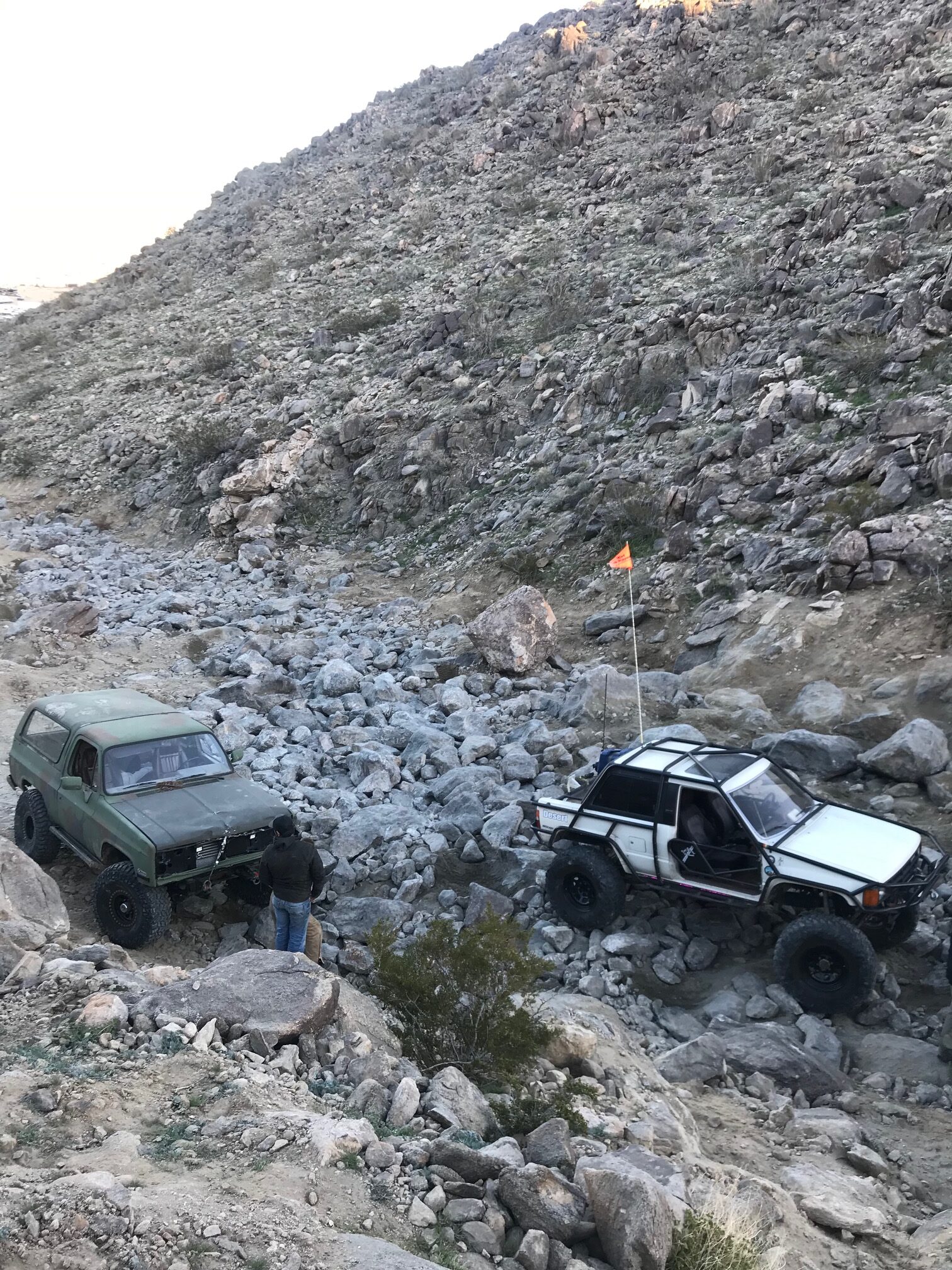
King of the Hammers draws a crowd for reasons beyond the racing itself. Once the daytime competition ends, spectators run their own rigs on the same trails. Well-known sections like Chocolate Thunder and Turkey Claw open to the crowd after competitors finish their runs. World-class professional racing alongside open spectator access to the same trails makes KOH one of the more unique events on the off-road calendar.
RogueFab founder Joe Gambino has attended King of the Hammers multiple times. Every vehicle on that course runs a full cage and chassis built from tube. It is a compelling reminder of what the tools in a fabrication shop are ultimately for.