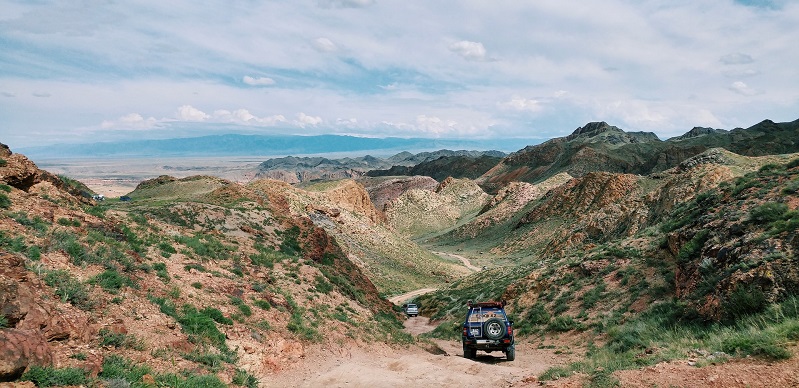
Off-roading is a broad hobby that covers everything from a stock Jeep on a gravel forest road to a purpose-built Ultra4 racer doing 100 mph across a dry lake bed. The common thread is simple: you are driving somewhere a regular vehicle cannot go, on terrain that was not designed to be driven on.
This guide covers the different types of off-roading, what equipment matters, the technical terms worth knowing, and how to start making good decisions about what your rig needs for the terrain you want to run.
What is off-roading?
Off-roading means driving on unpaved, unimproved, or otherwise rough terrain. That definition covers an enormous range: dirt two-tracks through the forest, rocky canyon trails, sand dunes, creek crossings, desert washes, and purpose-built competition courses. The vehicle requirements, skill level, and equipment needs vary dramatically depending on where you are going and what you plan to do when you get there.
At the casual end, off-roading is accessible to almost anyone with reasonable ground clearance and four-wheel drive. Competitive off-roading involves heavily modified machinery, significant fabrication work, and a level of mechanical preparation that takes years to develop. Most people find their level somewhere in the middle and build from there.
Types of off-roading
Trail riding and rock crawling
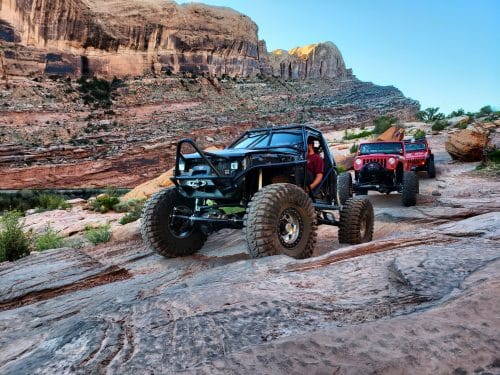
Trail riding covers a wide range of difficulty, from smooth dirt roads to technical rock sections that require precise wheel placement and full articulation. Rock crawling sits at the technical end of this spectrum. The goal is to navigate boulders, ledges, and steep grades at very low speeds, relying on traction and approach geometry rather than momentum.
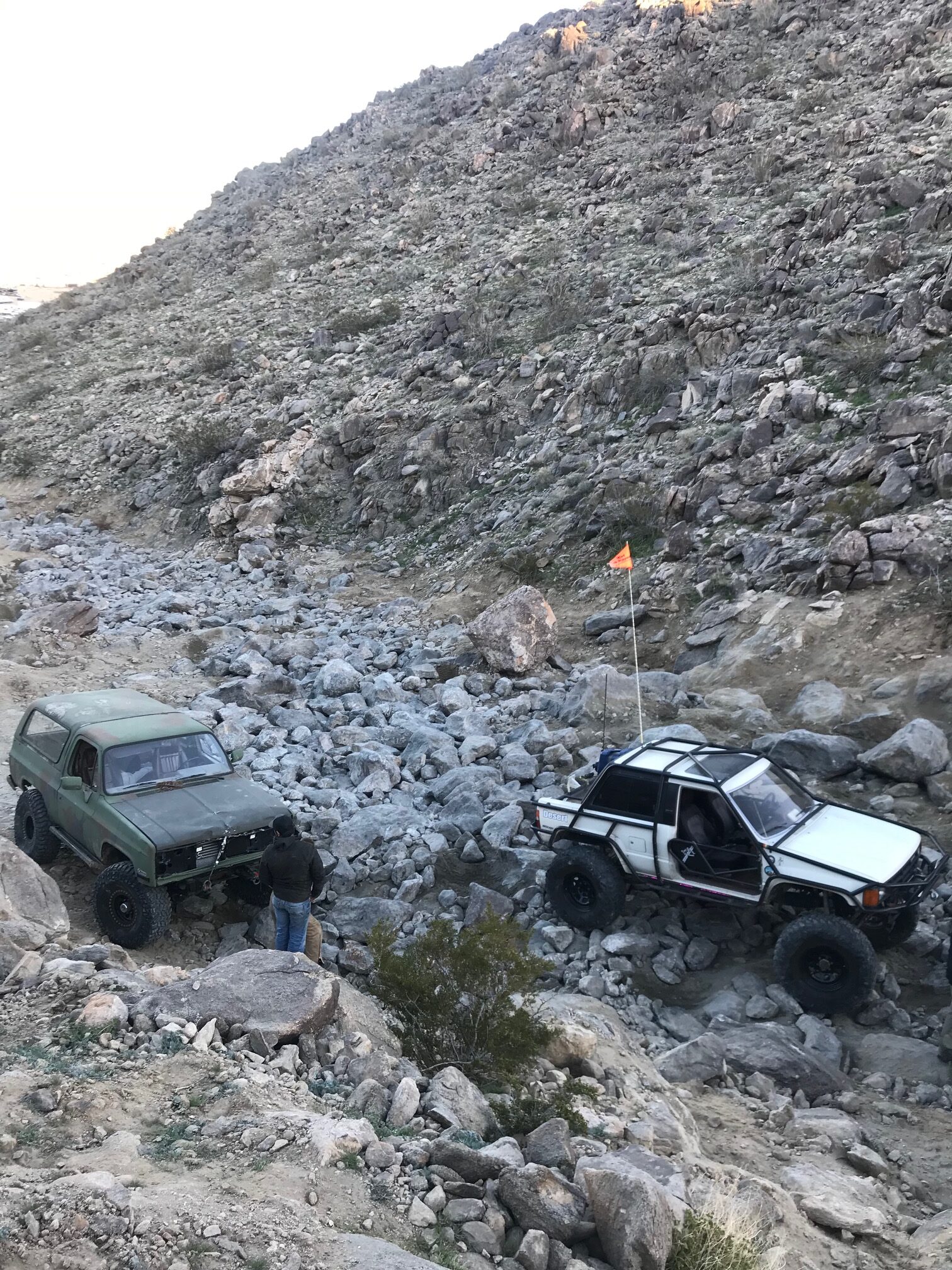
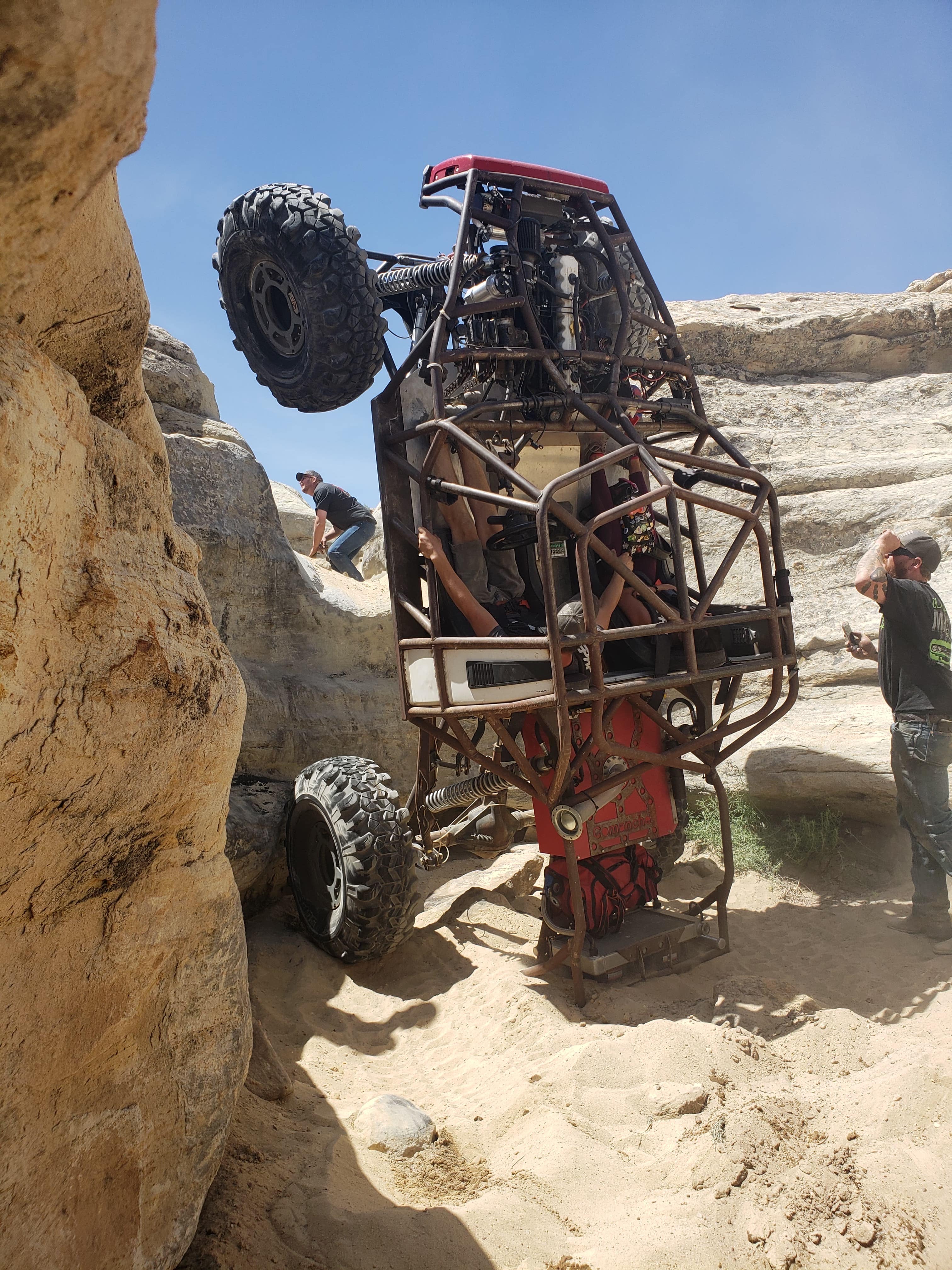
Rock crawling demands good suspension articulation, low-range gearing, lockers or limited-slip differentials, and tires with aggressive tread. It is slow, precise work. Damage to the vehicle is common, which is why skid plates, rock sliders, and a well-built cage matter more here than in almost any other type of off-roading.
Desert and dune running
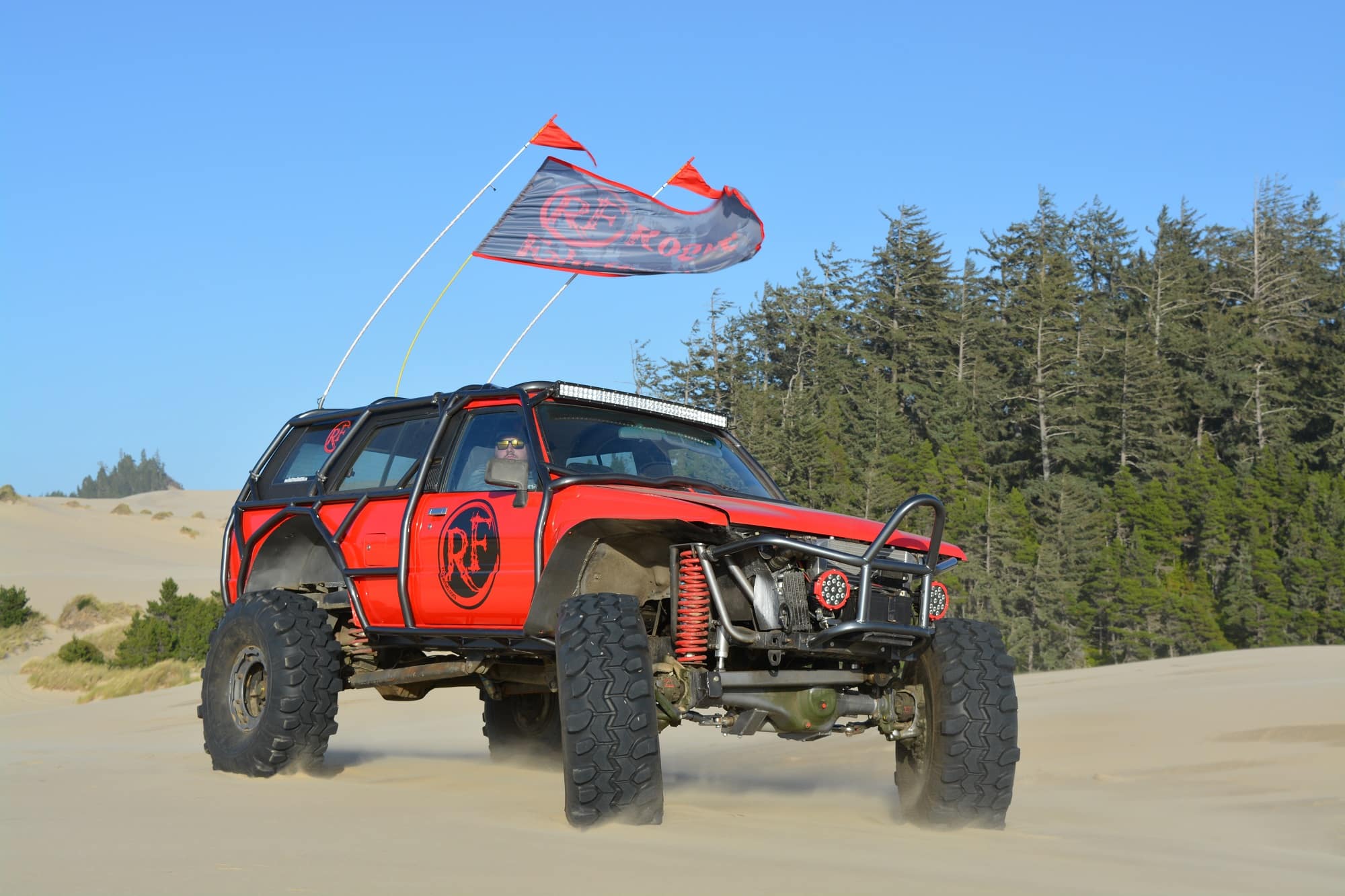
Desert running is the high-speed end of off-roading. Wide open terrain, long straightaways, and natural obstacles like washes, berms, and dunes reward horsepower and suspension travel. Vehicles built for the desert prioritize long-travel suspension, high-speed stability, and engine reliability over sustained hard use.

Sand dunes are a subset of desert running with their own character. Traction is unpredictable, momentum matters more than traction devices, and aired-down tires are essential. The Oregon Dunes, Glamis, and Little Sahara are among the most well-known dune destinations in the USA.
Mudding
Mud trails test traction, momentum management, and recovery gear as much as they test the vehicle itself. Aggressive mud-terrain tires, lockers, and a winch or recovery straps are standard equipment. Mud comes in many forms, from shallow, rutted trails to deep clay pits that can swallow a rig to its frame rails. Knowing the difference before you commit to a line matters.
Overlanding
Overlanding sits at the intersection of off-roading and expedition travel. The goal is self-sufficient long-distance travel on unpaved roads and trails, often covering multiple days or weeks. Vehicle reliability and recovery capability matter more than raw performance. Rooftop tents, dual battery systems, water storage, and fuel range are typical additions. Any capable 4×4 can serve as an overland rig, but most builds prioritize durability and utility over speed.
Competitive off-road racing
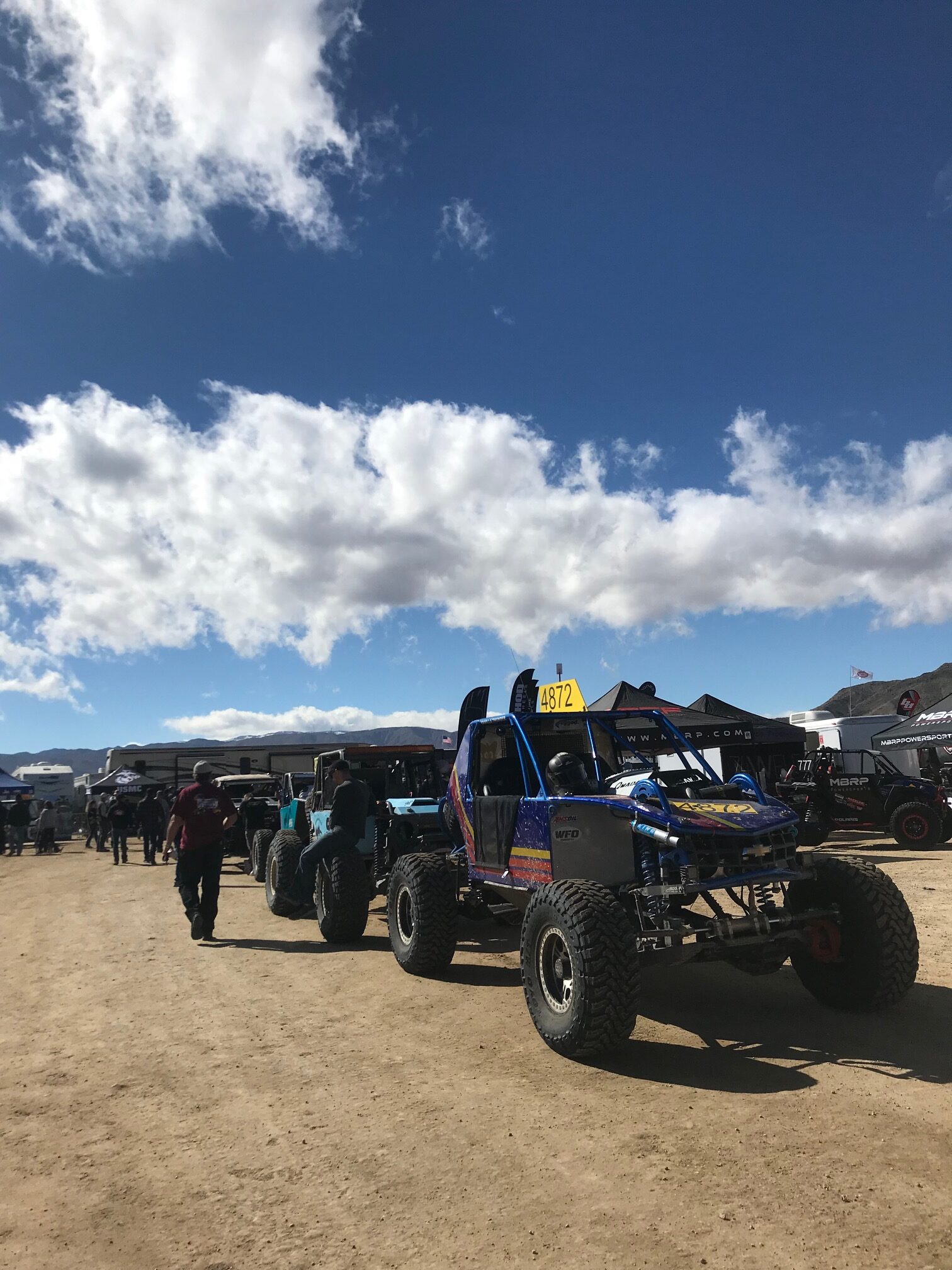
Organized off-road racing covers a huge range of formats. Short course racing runs on closed circuits with jumps and berms. Desert racing, including events like the Baja 1000 and the Vegas to Reno, covers hundreds of miles of open terrain. Ultra4 racing, centered on the King of the Hammers, combines desert speed with technical rock sections in the same event. Each format demands different vehicle builds, but all of them share one requirement: a properly built cage.
Essential equipment
Tires
Tires are the single most impactful upgrade on any off-road vehicle. Tread pattern, sidewall strength, and diameter all affect how the vehicle handles different terrain. All-terrain tires balance on-road manners with off-road capability and work well for most recreational trail use. Mud-terrain tires have more aggressive tread designed to clear mud and bite into soft ground, at the cost of road noise and wear rate. For rock crawling, a tire with a soft compound and large lugs provides the grip needed on hard rock surfaces.
Tire pressure management matters as much as tire selection. Airing down before a trail run increases the contact patch, improves traction, and cushions impacts. A portable air compressor lets you air back up before returning to pavement. Most trail riders run 15-20 PSI on moderate terrain and go lower for rock or sand.
Recovery gear
Getting stuck is not a failure. It is an expected part of off-roading, especially as you push into more difficult terrain. A basic recovery kit should include a kinetic recovery rope or snatch strap, a set of shackles, a hi-lift jack, and traction boards. For winches, size to at least 1.5 times the vehicle’s gross weight, making it the most versatile recovery tool you can carry. Tree savers protect bark when anchoring to trees.
Going with a second vehicle whenever possible is the most reliable recovery method. A friend with a capable rig and a tow rope solves most situations faster and with less effort than any solo recovery method.
Suspension
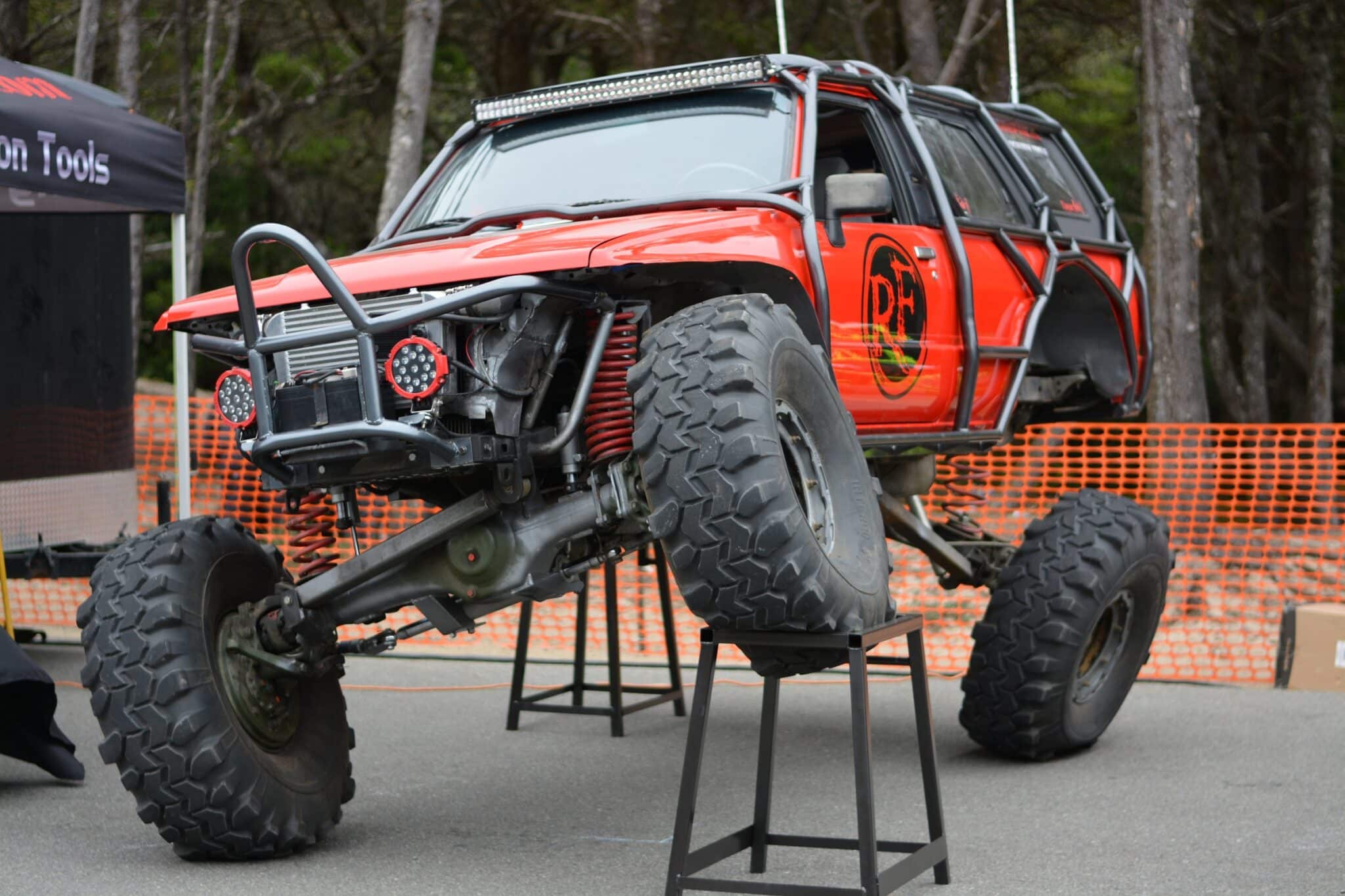
Factory suspension is designed around on-road comfort and handling. Off-road use demands more travel, better articulation, and components that hold up to repeated impacts. Lift kits increase ground clearance and allow larger tires. Long-travel suspension systems, common on desert and competition builds, provide the wheel movement needed to keep tires on the ground over rough terrain at speed. Properly tuned suspension makes the vehicle more capable and more predictable, both of which matter when conditions get serious.
Skid plates and armor
Skid plates protect the underside of the vehicle from rock strikes. The transfer case, differential, fuel tank, and steering components are all vulnerable on rocky terrain. Steel skid plates take the hit so those components do not. Rock sliders protect the rocker panels from side hits and also serve as a step and a jack point. A well-armored rig costs less to repair after a hard trail run than an unprotected one.
Lighting
Auxiliary lighting extends your usable hours on the trail and improves visibility in dust, rain, and low-light conditions. LED light bars and pod lights are the standard now, available in flood, spot, and combination beam patterns. Flood patterns illuminate a wide area up close, useful for slow trail work. Spot patterns throw a focused beam at distance, better for high-speed desert running. A combination of both covers most situations.
Communication and navigation
Cell coverage disappears quickly in remote terrain. A handheld ham radio or GMRS radio keeps you in contact with your group and allows communication with other trail users. For navigation, a GPS device loaded with trail maps is more reliable than a phone in areas without signal. Satellite communicators like the Garmin inReach provide two-way messaging and SOS capability anywhere in the world, which is worth having on any backcountry trip.
Technical terms worth knowing
Four-wheel drive: high and low range
Four-wheel drive engages the front axle alongside the rear, splitting power between both ends of the vehicle. High range 4WD is for loose surfaces at moderate speeds: dirt roads, light snow, sand. Low range multiplies torque through the transfer case, giving the vehicle much more pulling power at low speeds. Use it for rock crawling, steep descents, and deep mud. Engaging low range at speed damages the transfer case on most vehicles, so shift into it before you need it.
Locking differentials
A standard differential sends power to whichever wheel has the least resistance, which means a spinning wheel in the air or in mud gets all the power while the wheel with traction gets none. A locking differential forces both wheels on an axle to turn at the same speed regardless of traction conditions. Lockers are the most significant traction upgrade available for a trail rig. Air lockers, electric lockers, and selectable lockers all allow you to engage and disengage locking as conditions require.
Approach, departure, and breakover angles
Approach angle is the maximum obstacle angle your front bumper can clear without contact. Departure angle is the same measurement at the rear. Breakover angle describes the maximum ridge or crest the vehicle can cross without the frame or underside touching. All three are direct functions of ground clearance, wheelbase, and overhang. Shorter wheelbases and higher ground clearance improve all three. Knowing your vehicle’s angles tells you which obstacles you can take and which ones require a different line.
Traction control and stability systems
Electronic traction control applies braking to spinning wheels to redirect power toward wheels with grip. On moderate terrain, it works well. In serious rock or mud, though, it can work against you by cutting power at exactly the moment you need momentum. Most modern 4x4s allow traction control to be switched off. Knowing when to turn it off is part of developing off-road driving skill.
Building for off-road use
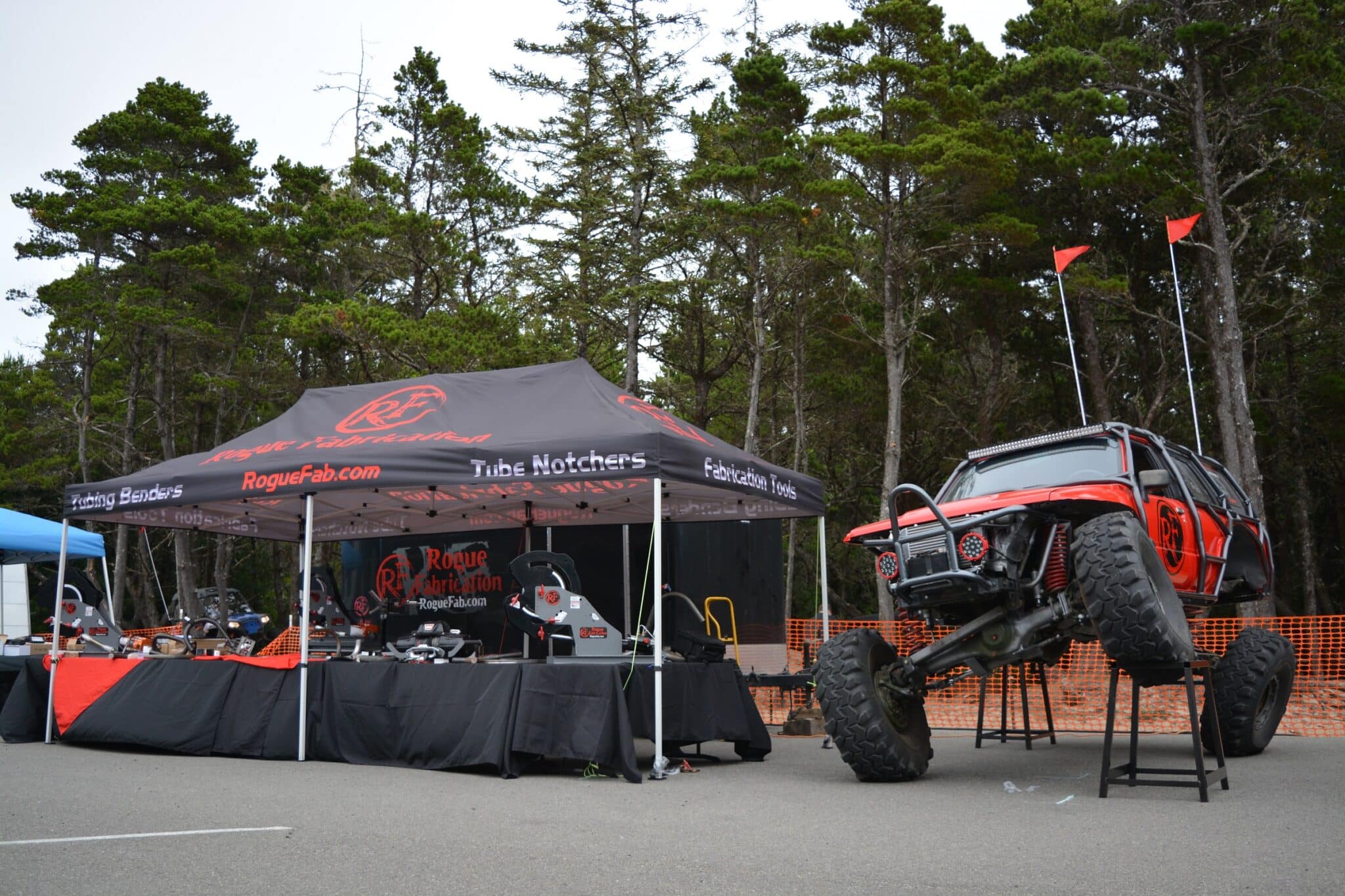
Serious off-road builds involve fabrication work. Bumpers, sliders, cage sections, suspension brackets, skid plates, and crossmembers all get built from tube and plate. Tube bending and notching on a capable trail rig uses the same skill set as a roll cage or crosskart frame: a rotary draw bender, a quality notcher, and enough practice to make clean fits at every node.
The RogueFab M6xx series covers tube up to 2.0″ OD, handling every structural application on a trail rig or competition build. Pair it with the VersaNotcher, which handles tube up to 2-3/8″ OD with 225 degrees of angle adjustment and covers the compound angles that come up in bumper and slider builds. Both tools are built in Sandy, Oregon and share the same die ecosystem, so the investment you make for one build carries forward to the next.
Getting started
Start with what you have
You do not need a purpose-built rig to start off-roading. A stock 4×4 with decent ground clearance handles green lanes, forest roads, and moderate trail systems without modification. Start on easier trails to learn your vehicle’s limits before pushing into harder terrain. The habits you build early, reading terrain before committing to a line, staying within recovery distance of your group, airing down before the trail and airing up after, carry forward regardless of what you are driving.
Go with people who know more than you
The off-road community is genuinely welcoming to new drivers. Local clubs run group trail rides on trails appropriate for different skill levels. Going with experienced drivers teaches you more in a single day than months of solo driving. It also means someone is there when you need a pull.
Know where you can go
Off-roading on private property without permission, in designated wilderness areas, or off marked trails on public land causes real damage and creates access problems for the entire community. Most states have trail systems on BLM and National Forest land that are open to vehicles. The Tread Lightly and Leave No Trace principles exist for practical reasons. Stay on designated routes, pack out what you pack in, and do not widen existing trails.